
Understanding the right lighting for your indoor plants can feel like solving a puzzle. If you’re diving into indoor hydroponic gardening, you might find yourself craving knowledge about the best grow lights and how to use them effectively. This post was created to guide you through the often confusing world of plant lighting. We want to arm you with the tools and information you need to keep your plants thriving, no matter the season.
If you’re passionate about indoor gardening and want your leafy companions to flourish, you’re in the right place. This guide is tailored for both beginners and seasoned gardeners alike who care about achieving the best results for their plants. With this comprehensive lighting guide, you will learn about the different types of plant lights, how they affect growth, and practical tips to ensure your setup is just right.
Inside, you’ll discover nine essential sections that break down everything from understanding your plants’ light needs to troubleshooting common lighting issues. By the end, you’ll be equipped with knowledge about the best grow lights for your setup, how to position them effectively, and how to create the perfect light environment for your hydroponic garden. Let’s dig in!
Key Takeaways
– You’ll learn to identify your plants’ specific light needs, ensuring that they receive the right amount of light for healthy growth.
– The guide covers different types of lights, including LED plant lights, helping you choose the best grow lights for your indoor garden.
– Understanding light spectrum is crucial; it affects everything from growth to blooming in your plants.
– Tips on how to set light duration will help you manage when your plants receive light, promoting optimal growth cycles.
– Positioning your grow lights correctly and using reflectors can significantly enhance your plants’ exposure to light, maximizing their potential.
1. Understanding Plant Light Needs

Every plant has its own light preferences. Some flourish in bright sunlight, while others thrive in lower light conditions. Understanding these needs is vital for selecting the right light for your indoor garden. Generally, plants fall into three categories: low, medium, and high light requirements.
Low light plants, such as snake plants and pothos, do well in indirect sunlight, making them perfect for darker rooms. Medium light plants, like peace lilies, need more light but still prefer to avoid direct sun. High light plants, including succulents, crave several hours of direct sunlight each day.
To make the best choice, observe how light enters your home. South-facing windows let in more sunlight than north-facing ones. Evaluating your space and understanding these light needs will help you choose the right light types, significantly enhancing your plants’ growth and health.
Fun fact: about 60% of beginner setups fail because lights aren’t matched to a plant’s low, medium, or high needs. In our plant lighting guide, recognizing those categories helps you place each plant in the right spot. A quick three-zone check can boost growth fast.
Understanding Plant Light Needs
Editor’s Choice

Light Meter Digital Illuminance Meter Handheld Ambient Temperature Measu…


Plant Stand Indoor with Grow Lights 64″ Tall Plant Shelf with Wheel Ligh…

GooingTop LED Grow Light,6000K Full Spectrum Clip Plant Growing Lamp wit…
2. The Basics of Grow Light Types
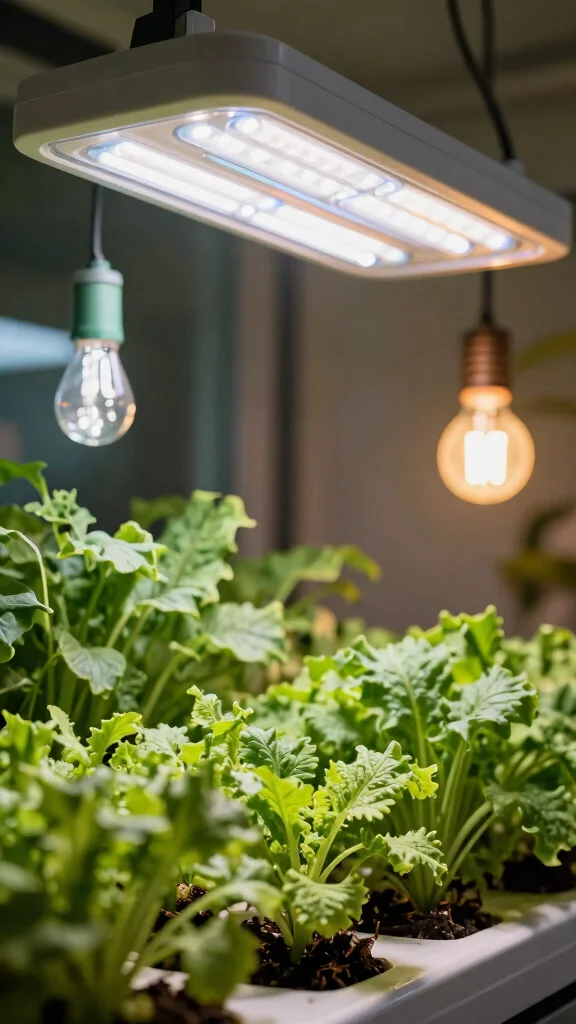
Familiarizing yourself with grow light types is essential for effective gardening. The most common options are LED, fluorescent, and incandescent lights, each with its unique pros and cons.
LED grow lights are highly efficient and last longer. They produce minimal heat, allowing for closer placement to plants without burning them. These lights come in various spectrums, catering to different growth stages.
Fluorescent lights, particularly T5 and T8, offer a broad spectrum suitable for seedlings and leafy greens. However, they have a shorter lifespan compared to LEDs. Incandescent bulbs are less efficient due to excess heat and limited light quality, making them a poor choice for serious indoor gardening.
Choosing the right type of grow light will ensure your plants receive the spectrum and intensity they need to thrive indoors.
📹 Related Video: Everything A Beginner Needs to Know About Grow Lights
The Basics of Grow Light Types
Editor’s Choice

2 Pack LED Grow Light Panel 200W Lamp for Indoor Plants, Full Spectrum w…

4Ft 4Lite T5 Grow Lights Panel, 6500K Full Sun Light, 20000 Lumen Output
3. The Importance of Light Spectrum

The light spectrum is key to healthy plant growth. Different wavelengths of light play specific roles in photosynthesis. Blue light (400-500 nm) is crucial for strong stems and lush leaves, while red light (600-700 nm) encourages flowering and fruiting.
When selecting grow lights, opt for full-spectrum options that mimic natural sunlight. These lights support every growth stage, from seedlings to flowering plants. Many LED grow lights emit both blue and red light, making them a versatile choice.
Some plants, like those in the cannabis family, may thrive even better with specific light wavelengths. Understanding light spectrum impacts can help you create an optimal environment for robust indoor growth.
Fun fact: blue light (400-500 nm) helps sturdy stems and lush leaves, while red light (600-700 nm) fuels flowering—it’s the core of any plant lighting guide. Use full-spectrum LEDs to cover both needs from seedlings to harvest.
The Importance of Light Spectrum
Editor’s Choice

VIPARSPECTRA P700 Grow Light, 70 Watt Dimmable Full Spectrum Plant Light…

BESTVA DC2000 LED Grow Light, Full Spectrum Grow Lights for Indoor Plant…
2 Pack LED Grow Light Panel 200W Lamp for Indoor Plants, Full Spectrum w…

KingLED KP3000 LED Grow Light for Indoor Plants, Full Spectrum Plant Lig…

DYMOND BoostGro LED Grow Light Full Spectrum Linkable 5000K Daylight + 6…
4. How to Determine Light Duration

Light duration, or photoperiod, is essential for plant health. Most plants thrive with 12 to 16 hours of light per day, but needs can vary based on species and growth stages.
Seedlings typically require around 16 hours of light to develop strong roots and leaves. As they mature, you can reduce the duration to about 12 hours during flowering. Knowing your plants’ light needs is crucial; insufficient light slows growth, while excess can stress them.
Using timers is an excellent way to ensure consistent light cycles. These devices allow you to set schedules, so your plants get the right amount of light without daily adjustments. Proper management of light duration leads to vigorous growth and fruitful harvests.
Fun fact: Seedlings crave about 16 hours of light to power roots and growth. As they mature, you can trim toward 12 hours for flowering. Use a timer to keep photoperiod precise—consistent light leads to strong, healthy plants.
How To Choose The Right Grow Light
Choosing the right grow light for your indoor hydroponic garden can feel overwhelming, but with the right guide, you can make an informed decision. Here are some key aspects to consider when selecting a grow light that best suits your plants’ needs.
1. Understand Plant Light Needs
Every plant has different light requirements. Some thrive in low light, while others need full sun. Take time to research the specific light needs of the plants you want to grow. For example, leafy greens usually require less light than fruiting plants like tomatoes. Knowing this will help you choose the right type of grow light.
2. Choose the Right Light Type
There are many types of grow lights to choose from, including LED, fluorescent, and high-intensity discharge (HID) lights. LED lights are energy-efficient and produce less heat, making them a popular choice for indoor gardening. Fluorescent lights are good for seedlings and low-light plants. HID lights offer intense light but require proper ventilation due to heat output. Assess your space and plant requirements to decide which type fits best.
3. Consider the Light Spectrum
Plants need different light wavelengths for different growth stages. Blue light promotes vegetative growth, while red light aids flowering and fruiting. Many grow lights offer a full spectrum or a combination of red and blue light, which is ideal for all growth stages. Look for grow lights labeled as “full spectrum” to provide balanced lighting for your plants.
4. Determine Light Duration
Most plants need between 12 to 18 hours of light per day to thrive. Understanding how long your grow light will be on each day is essential for plant health. You can use timers to automate light schedules, ensuring your plants receive consistent light. This can help mimic natural sunlight cycles and promote healthy growth.
5. Assess Light Intensity
Light intensity is crucial for plant growth. Measured in lumens or PAR (photosynthetically active radiation), you should choose a grow light that provides adequate intensity for your plants. General guidelines suggest that low-light plants need around 100-200 μmol/m²/s, while high-light plants may require 300-600 μmol/m²/s. Always check the specifications of the grow light to ensure it meets your plant’s needs.
6. Positioning and Coverage
The placement of your grow light affects how well your plants will grow. Lights should be positioned close enough to the plants to provide adequate light without causing heat stress. Generally, LED lights can be placed 12-24 inches above the plants, while HID lights need to be higher due to heat. Ensure the light can cover the entire growing area for even growth.
Pro Tip: Try using reflectors to help maximize light coverage. Reflectors can redirect light back onto your plants, making your grow light more effective without additional energy costs.
Choosing the right grow light doesn’t have to be hard. By understanding your plants’ needs and assessing the factors listed above, you can create an optimal indoor gardening environment. Happy growing!
How to Determine Light Duration
Editor’s Choice

YAMRON 4-in-1 Soil Moisture Meter, Digital Plant Temperature/Soil Moistu…

Aokrean Plant Grow Light, 48 LEDs Full Spectrum Grow Lights for Indoor P…

BN-LINK BND-60/U47 Indoor Mini 24-Hour Mechanical Outlet Timer, 3-Prong,…
5. Recognizing Light Intensity

Light intensity is vital for plant wellbeing. It refers to the amount of light that reaches your plants, directly influencing their growth rates and overall health. High light intensity is essential for sun-loving plants, while lower intensity is sufficient for shade-tolerant varieties.
You can measure light intensity with a light meter to ensure your setup meets your plants’ needs. High light plants thrive with around 400-600 µmol/m²/s, while medium light plants prefer 200-400 µmol/m²/s, and low light varieties can manage below 200 µmol/m²/s.
Adjusting the distance between your grow lights and plants can quickly influence light intensity. Bringing lights closer increases intensity but may cause heat stress, while moving them further away decreases intensity and could slow growth. Understanding and managing light intensity ensures optimal conditions for thriving plants.
Recognizing Light Intensity
Editor’s Choice

Light Meter Digital Illuminance Meter Handheld Ambient Temperature Measu…
GooingTop LED Grow Light,6000K Full Spectrum Clip Plant Growing Lamp wit…

LBW Grow Light with Stand for Indoor Plants, Adjustable Height up to 68″…
6. Tips for Positioning Grow Lights

Positioning your grow lights correctly is crucial for optimal growth. The way you place your lights can dramatically affect their effectiveness.
1. Maintain Distance: Keep LED lights 12-24 inches above plants, while fluorescent lights should be 4-12 inches away. Manufacturer guidelines can provide clarity.
2. Angle Lights: Positioning lights at angles improves light distribution, ensuring all plants receive adequate illumination, especially those on lower shelves.
3. Rotate Plants: Every few weeks, rotate your plants to promote even growth and prevent them from leaning towards the light source.
Proper positioning of grow lights can significantly enhance plant performance, maximizing growth potential and overall health.
Tips for Positioning Grow Lights
Editor’s Choice

Aumtrly Grow Lights for Seed Starting, 552 LED Full Spectrum Plant Light…

6 Pack F24T5/865 22 Inch T5 Fluorescent Grow Light Bulbs, 24W 6500K Full…

BN-LINK Indoor Digital Timer Outlet, Dual Outlet 7 Day Programmable Ligh…
7. Using Reflectors and Diffusers
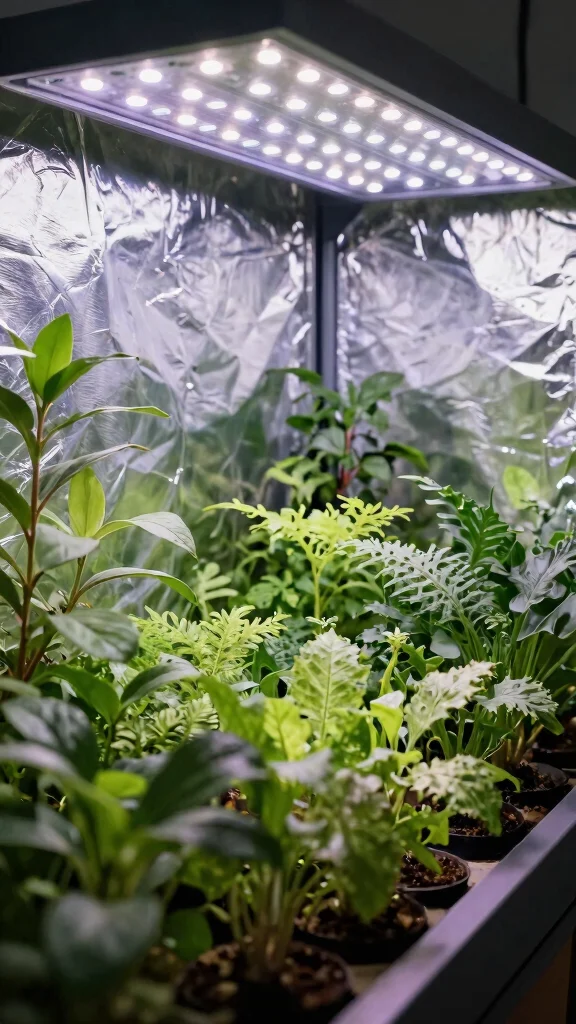
Reflectors and diffusers can optimize your grow light setup. Reflectors direct light towards your plants, maximizing efficiency and reducing waste. Using reflective materials like mylar or white paint in your gardening area can significantly boost light distribution.
Diffusers, on the other hand, spread light evenly across plant surfaces, minimizing hotspots that can lead to stress or burn. Some LED fixtures include built-in diffusers, or you can purchase separate ones to improve your existing setup.
Combining reflectors and diffusers creates an ideal lighting environment, ensuring your plants receive uniform light while reducing stress-related issues. Experimenting with these tools can lead to healthier, more vibrant plants.
Using Reflectors and Diffusers
Editor’s Choice

LED Light Diffuser Board Diffusion Cover Sheet Anti-Glare for Soften Cei…

VIVOSUN 6 Mil Mylar Film Roll, 4 ft. x 10 ft. Diamond Film Foil Roll, He…

AC Infinity IONBEAM Green, Plant Gentle Green LED Work Light Bar 16”, …
8. Troubleshooting Common Lighting Issues

Even experienced indoor gardeners encounter lighting challenges. Here are some common issues and their solutions:
– Leggy Plants: If your plants appear tall and thin, they may be reaching for light. Move your lights closer or adjust the duration.
– Burned Leaves: If leaves are crisping, your lights might be too close, especially with high-intensity options. Increase the distance to avoid heat stress.
– Slow Growth: If plants aren’t thriving, check both light duration and intensity to ensure they’re receiving adequate light.
Regularly observing your plants helps catch these issues early. Promptly addressing lighting problems encourages a flourishing indoor garden. Keeping a gardening journal can assist in tracking changes and results.
Troubleshooting Common Lighting Issues
Editor’s Choice
Light Meter Digital Illuminance Meter Handheld Ambient Temperature Measu…
GooingTop LED Grow Light,6000K Full Spectrum Clip Plant Growing Lamp wit…

yadoker Plant Grow Light, LED Growing Light Full Spectrum for Indoor Pla…
9. Recommendations for the Best Grow Lights

Choosing the best grow lights is crucial for indoor gardening success. Here are some top-rated options:
1. Spider Farmer SF Series: Known for energy efficiency and high PAR output, this is ideal for serious indoor gardeners.
2. VIVOSUN T5 Grow Light Fixtures: Budget-friendly and effective, perfect for seed starting and leafy greens.
3. Mars Hydro Reflector Series: Offers great value and performance, suitable for various plants and growth stages.
When choosing grow lights, consider your space, budget, and specific plant needs. Investing in quality lights leads to healthier plants and improved yields.
Recommendations for the Best Grow Lights
Editor’s Choice
TS1000 150W LED Grow Light for Indoor Plants, with Patented Reflector, 5…

T5 Grow Lights for Indoor Plants, 5000K Full Spectrum 24W(4 X 6W), 1FT L…

SF600 LED Grow Lights Sunlike Full Spectrum Plant Growing Lamp for Indoo…
Conclusion

Choosing the right lighting for your indoor hydroponic garden is essential for thriving plants and successful growth. By understanding your plants’ specific light needs, experimenting with different light types, and troubleshooting any issues you encounter, you’ll create an environment where your green friends can flourish.
Dive into the world of indoor gardening armed with these plant lighting tips, and watch your indoor jungle thrive like never before!
Note: We aim to provide accurate product links, but some may occasionally expire or become unavailable. If this happens, please search directly on Amazon for the product or a suitable alternative.
This post contains Amazon affiliate links, meaning we may earn a small commission if you purchase through our links, at no extra cost to you.
Frequently Asked Questions
What is a plant lighting guide and why is it essential for indoor hydroponic gardening?
A plant lighting guide is your roadmap to giving plants the right light at the right time. It helps you choose the best grow lights, set the correct photoperiod, and dial in spectrum and intensity for each growth stage. In indoor hydroponics, reliable lighting drives healthy growth, better resilience, and higher yields. Here’s a practical start:
1) Assess your space and the plants you’re growing. 2) Choose LED plant lights with full spectrum and good efficiency. 3) Set a schedule you can stick to (for example, seedlings 16/8, vegetative 14/10, flowering 12/12). 4) If you can, measure light intensity at the canopy with a PAR/PPFD meter and adjust height to avoid heat burn. 5) Pair lighting with solid indoor gardening tips like reservoir management and humidity control to keep plants happy.
With a focused plant lighting guide and the right LED plant lights, you’ll optimize lighting for plant growth in your hydroponic setup.
What are the different plant light types and which is best for indoor hydroponics?
Plant light types include LED plant lights, HID and fluorescent options. For indoor hydroponics, the best grow lights are usually LEDs because they run cooler, use less energy, and let you tailor spectrum to your plants for lighting for plant growth. When choosing, look for: full-spectrum or adjustable spectrum, high PAR efficiency, a reliable driver, and good uniform coverage. Match the fixture to your tent or bench size so the canopy gets even light. If you’re upgrading, a quality LED setup typically beats traditional options for hydroponic yields.
How many hours of light do indoor plants need and how do I set a reliable photoperiod for hydroponics?
Most indoor plants thrive on a steady day/night rhythm rather than constant light. Seedlings often need 16-18 hours of light, vegetative growth typically 14-18 hours, and flowering generally around 12 hours on, 12 hours off. Use a reliable timer and adjust as plants grow. Practical starting points: 16/8 for seedlings, 14/10 during vegetative, and 12/12 for flowering. Keep the cycle consistent to support healthy photosynthesis and steady yields. This approach aligns with practical lighting for plant growth strategies in indoor gardening.
How do I choose the right spectrum and intensity for plant growth in hydroponics?
Spectrum matters for how plants develop. For many crops, a balance of blue light (for vegetative growth) and red light (for flowering) works well, and LED plant lights with full-spectrum or adjustable settings are ideal. Target light levels around 200-400 PPFD for leafy greens in the vegetative stage and 600-900 PPFD for flowering crops, ensuring even exposure across the canopy. Start with a moderate distance and adjust as plants stretch. A good setup lets you tailor spectrum and intensity to each growth stage—the core idea behind any effective plant lighting guide for indoor gardening tips and lighting for plant growth in hydroponics.
What common mistakes should I avoid when selecting and installing indoor grow lights for hydroponics?
Avoid these pitfalls: placing lights too close to leaves (causing heat burn) or too far away (limiting intensity); neglecting a proper photoperiod or relying on 24/7 light; choosing the wrong spectrum for your growth stage; uneven fixture coverage leaving patches in shade; and ignoring heat management and ventilation around fixtures. Don’t skip using a timer or a dimmable driver if possible. Start with a proven setup and fine-tune based on plant response. This is where a solid best grow lights choice and a thoughtful plant lighting guide really pay off.
Related Topics
plant lighting guide
indoor gardening tips
best grow lights
LED plant lights
lighting for plant growth
hydroponic gardening
grow light types
beginner friendly
plant care
advanced techniques
seasonal gardening
indoor plant health